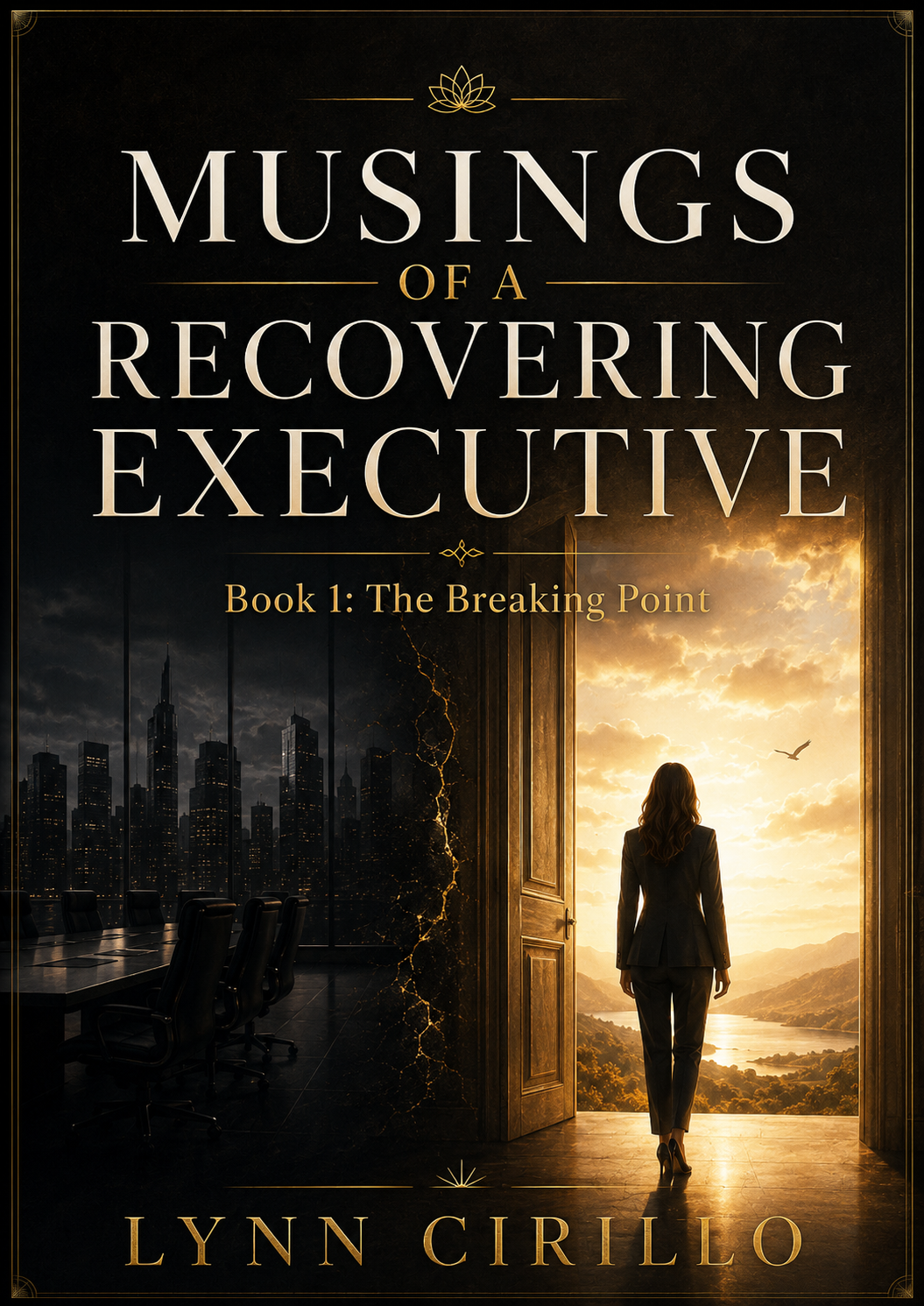
You can be good at what you do and still need to question what it is costing you.
By Lynn Cirillo
When working harder stops being the answer.
You keep delivering. People rely on you. From the outside, your career looks successful. But the effort that once felt rewarding has become harder to recover from, and the version of yourself that works so well at work has less room to breathe.
In The Breaking Point, former executive Lynn Cirillo examines the habits and workplace conditions that taught her to equate leadership with endurance. She looks honestly at what she absorbed, what she normalized, and how her own ability to make things work sometimes allowed unhealthy patterns to continue.
Across thirteen chapters, she moves from recognizing the cost of high performance to reconsidering how people are supported, how success is measured, and when a role has run its course. Her experience opens a conversation about how you work and lead, and what might need to change.
The book unfolds through three acts—Recognition, Redesign, and Release—with musings, questions, and pauses that invite you to examine your own experience.
Recognition
See what you have learned to carry.
The opening chapters examine the erosion of self-trust, the difference between adaptation and alignment, and the ways professionalism can become a habit of editing yourself. Lynn explores burnout that remains hidden behind continued performance, as well as the gap between your intentions and how others experience you.
Redesign
Look at the conditions around the work.
The focus shifts toward environments that support people without depending on exceptional endurance. Chapters on redefining success and grounded leadership ask what your measures reward, where responsibility belongs, and how everyday decisions can make clarity and sustainability part of the work.
Release
Make room for what continues without you.
The final act explores leading across generations, mentorship that leaves others free to find their own way, and the grief and responsibility involved in stepping back. It asks what remains when a title ends and how the people you have supported can continue to grow.
Who it’s for
For the person everyone assumes can handle it.
This book may speak to you if achievement still matters to you, but the way you have been pursuing it no longer feels sustainable.
You are a leader or dependable colleague who absorbs pressure so the work—and everyone else—can keep moving.
You are still performing well, yet feel increasingly disconnected from your judgment, energy, or sense of purpose.
You want to support people more thoughtfully and are questioning whether your workplace makes that possible.
You are considering a change in responsibility or direction and want to understand what staying or leaving means to you.
What you can take from it
Language for what performance can hide.
These reflections can help you distinguish what you are capable of doing from what you can keep doing at the same cost. They invite you to look beyond your own effort and examine the expectations, incentives, and unspoken rules that shape how people behave.
For leaders, that means asking whether your care is changing a difficult environment or simply containing its consequences. For anyone at a turning point, it means giving yourself room to reconsider success without dismissing everything you worked to build.
Read slowly, let a chapter settle, and return to the questions that stay with you. The book offers lived experience and reflection, leaving room for your circumstances and your decisions.
A passage from the book
“High performance tells you what is possible. Cost tells you what is sustainable.”
LYNN CIRILLOChapter 6 · The Cost of High Performance
A reader’s perspective
“And a lot of us felt it but never had the language for it. Now we do.”
JEN SCHOMERFounder and Principal, Catalyst HR & People Solutions
A closer look
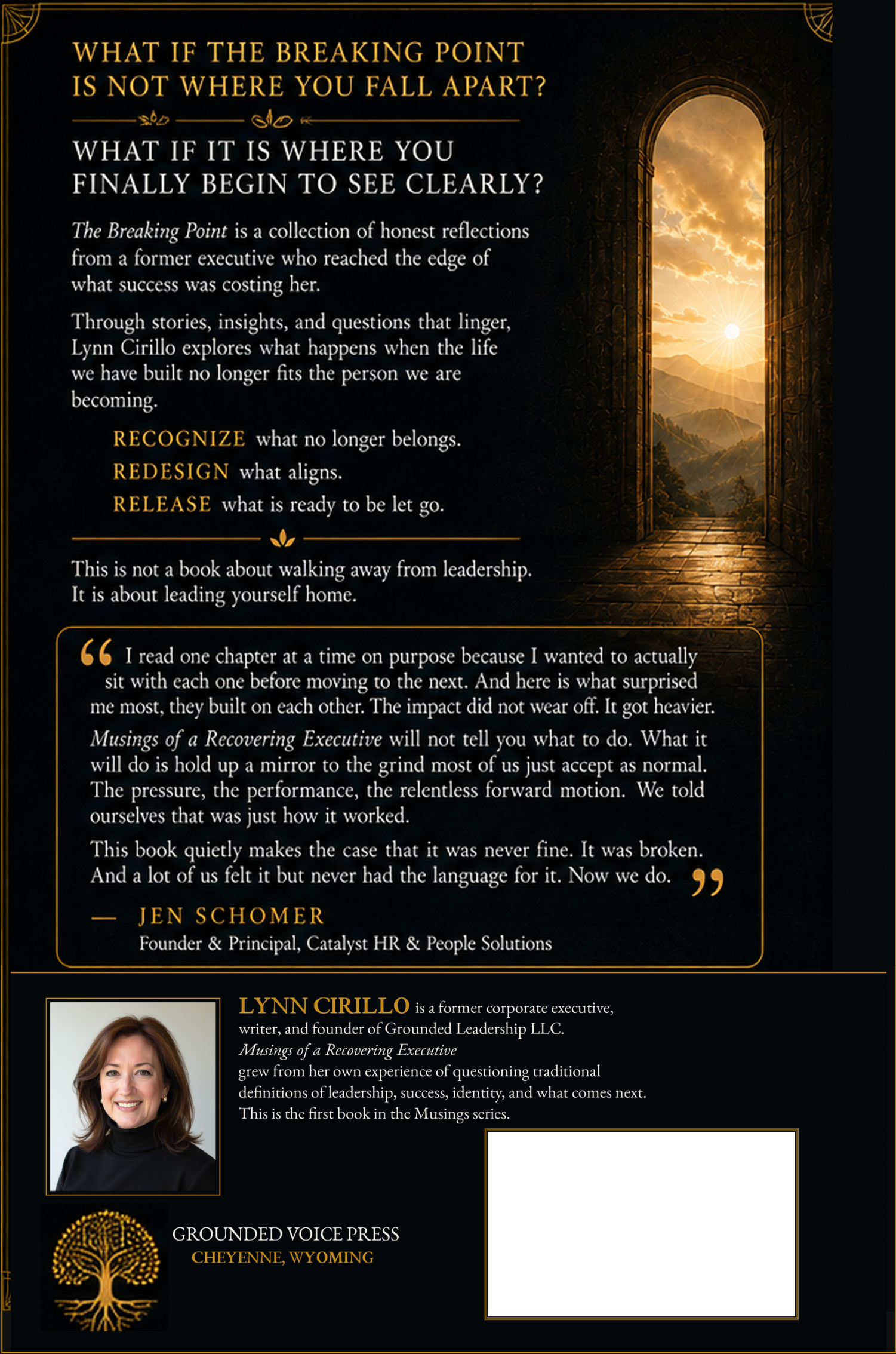
Read the back cover.
The description, reader response, and author introduction, as they appear in the hardcover artwork.