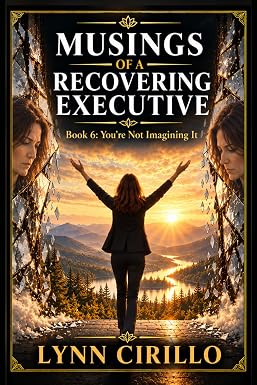
Chapters pair the discussion with a workplace scenario, an exercise, reflection questions, a Grounding, and a Musing. The recurring experiences of Jordan, Alex, and Casey bring abstract patterns into everyday conversations and decisions. The practical sections invite you to apply what you notice to your own life.
In “Document the Facts, Not the Fear,” you practice keeping a simple, sustainable record: what happened, when, who was there, what can be verified, the impact, and what remains uncertain. Bullet points and short notes count. The point is to support understanding and decisions without turning the experience into a second full-time job.
In “Learning to Trust Yourself Again,” a small self-trust inventory asks where you seek reassurance, which boundaries you could maintain, and what information would help you decide. You explore the difference between reflection that leaves room to learn and self-interrogation that starts by assuming you were the problem.
Throughout the book, you return to the distinction between a breadcrumb and an echo: what the present is showing you, and what a previous environment may be bringing into the moment. Both deserve attention. Groundings offer a pause; reflections and musings make space to reconsider the stories you have been carrying.
The book’s focus is discernment: recognizing behavior, examining context and patterns, and making informed choices. You do not need to diagnose another person, establish their motives, or reach perfect certainty to begin taking your experience seriously.